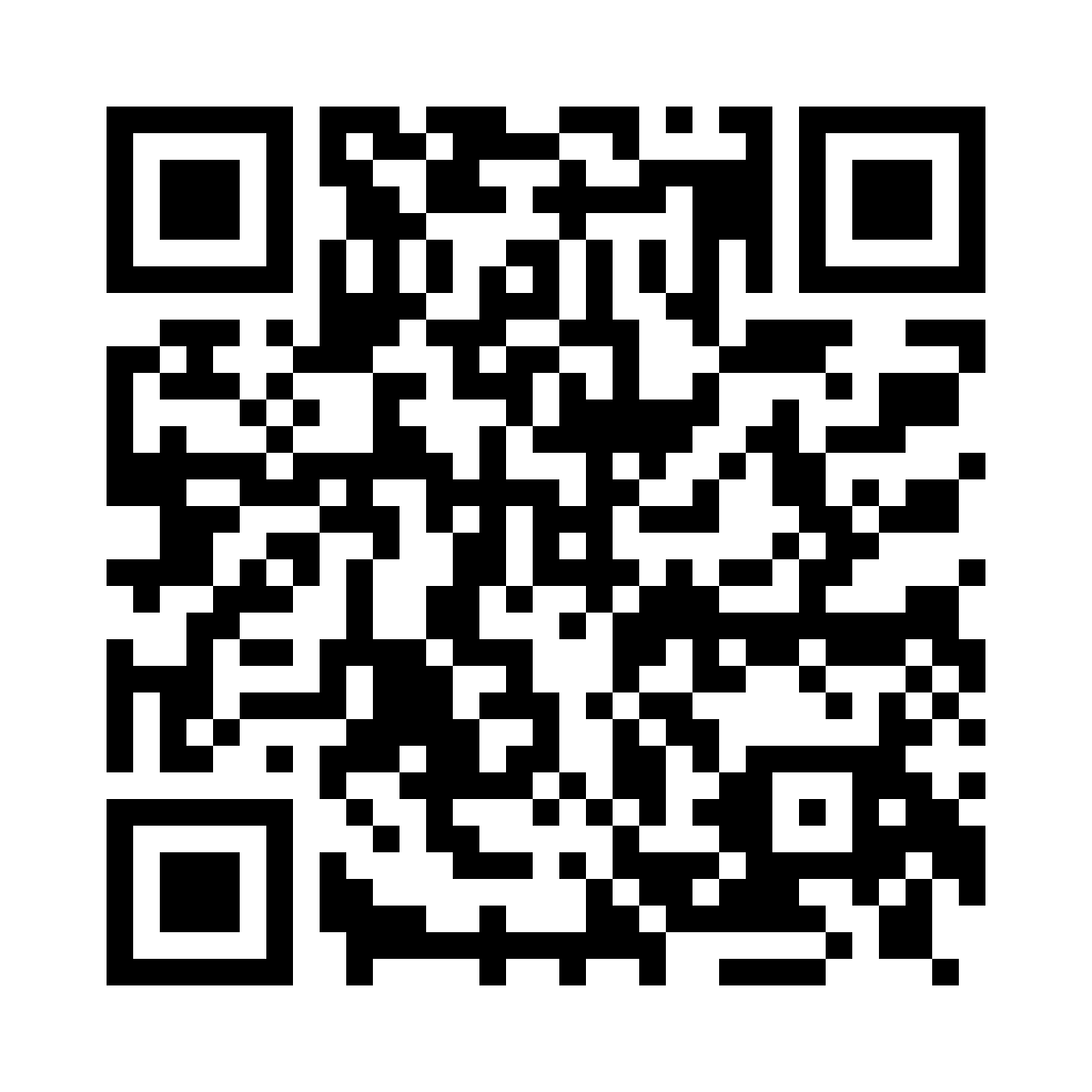
Good news: this was a drill. You weren’t justhacked.
The card in your hand said “FREE PIZZA.” The back said “GET HACKED.”Same QR code. The only thing that changed was the wording, and that was enough to make you
point your camera at an unknown link. That is exactly how real attacks begin. Nobody took your data
today. Read on and next time nobody will.
// 01_THE_PSYCHOLOGY
One QR code. Two labels. Your brain did the rest.
Attackers rarely break in through code first. They break in through you. The technique is
called pretexting: wrap a hostile action in a friendly story. “Free pizza,” “Scan
for Wi-Fi,” “Menu here,” “Win a prize.” The framing lowers your guard so your thumb moves before your
judgement does.
// CARD_FRONT
FREE PIZZA
SCAN TO CLAIM · BOOTH #hacked
// CARD_BACK
GET HACKED
SAME CODE · SAME LINK · YOU STILL SCANNED
The pixels are identical. Only the story changed. A real attacker only ever shows you the “free pizza” side.
// 02_THE_ATTACK_CHAIN
How a $50 gadget takes over a room
Here is the real sequence a Wi-Fi attacker runs at a conference, café or airport. Each step is small and
legal-looking on its own. Chained together, they put your phone on their network, and sometimes
on the end of a debugging cable they never had to plug in.
01/05 · TOOLING
The attacker carries a radio in their pocket
No van, no antenna farm. A Wi-Fi Pineapple (a purpose-built rogue access
point) or a Flipper Zero with a Wi-Fi dev board is enough. Both fit in a
jacket. Both can pretend to be any wireless network they can hear.
Off-the-shelf hardware. Both devices are legal to own. It is what they broadcast that turns criminal.
02/05 · CLONE
They clone a network you already trust: the “Evil Twin”
The device listens for the Wi-Fi names (SSIDs) around it (Conference-WiFi,
Starbucks, Airport_Free) and starts broadcasting an
identical name with a stronger signal. Your phone can’t tell the fake apart from the real one:
an SSID is just a text label, and open networks prove nothing about who runs them.
Two access points, one name. The stronger signal wins, and the attacker controls the volume knob.
03/05 · DEAUTH
They kick you off the real network: the de-auth flood
To make sure you land on the twin, the attacker sprays 802.11 deauthentication
frames (tiny “you’ve been disconnected” management packets) at everyone nearby. On older/open
networks these frames are unauthenticated, so the device can forge them and knock phones and laptops off
the genuine access point again and again.
Your Wi-Fi icon drops for “no reason”
Video calls stutter, pages stop loading
Your phone frantically hunts for any network with that name…
Deauth doesn’t steal anything by itself. It just herds every device toward the loudest network in the room: the twin.
04/05 · REJOIN
Your phone reconnects: straight into the man-in-the-middle
Phones are built to reconnect automatically to “known” networks. After the flood, the strongest network
with the familiar name is the attacker’s twin, so your device rejoins it, often silently. Now
every request your phone makes flows through the attacker. They can show a fake
“sign in to continue” captive portal, or a screen that says
“Scan this QR to get online / claim your pizza.”
The internet still works. That’s the point. Nothing feels wrong, which is why the attacker can wait for you to “log in” or scan.
05/05 · TAKEOVER
The QR you scan can pair a debug link to your phone
This is the payload. Once you’re on their network and looking at their screen, the QR they show you
isn’t a pizza voucher. It can be an Android wireless-debugging pairing code.
Android’s Wireless debugging feature (Developer Options) is designed to be paired by
scanning a QR code over the local network. If debugging is enabled and you scan it, the
attacker’s laptop pairs with your phone over ADB (Android Debug Bridge):
no cable, no obvious prompt.
With a live ADB link on the same network they can mirror your screen, read logs, list and pull files,
install apps, and drive the device. On phones with debugging off, the same fake portal instead pushes a
malicious app / profile and begs you to install it. Either way, the QR was
the doorway.
ADB was built for developers to debug their own phones. Pointed at yours by a stranger, it is remote control.
// 03_IMPACT
What someone actually gets from “just scanning a QR”
Once your phone is on their network, and especially once a debug link is live, the damage isn’t
hypothetical. This is a realistic list, not a horror story.
◈
Your live screen
Real-time mirroring of whatever you’re looking at: messages, banking, 2FA codes as they arrive.
◈
Your files
Photos, documents, downloads and app data pulled straight off the device over the debug bridge.
◈
Your accounts
Session cookies and tokens captured by the man-in-the-middle, logging in as you without your password.
◈
Silent installs
A spyware app or configuration profile pushed and enabled without the usual store warnings.
◈
Persistence
A foothold that survives after you leave the conference. They don’t need to be near you anymore.
◈
The next victim
Your contacts and messaging apps become the launch pad to phish the people who trust you.
// 04_DEFEND
Seven habits that break this whole chain
You don’t need to be technical. Any one of these stops the attack cold. Do a few and you’re a hard target.
Don’t scan QR codes from cards, posters or strangers
Treat an unknown QR like an unknown link in an email. If you must, preview the URL before opening and look for look‑alike domains.
Turn off Developer Options & USB/Wireless debugging
On Android: Settings → System → Developer options → off. This single switch removes the ADB takeover in Step 5.
Forget open/public Wi-Fi and disable auto-join
Stops your phone silently rejoining an “Evil Twin” with a familiar name after a deauth flood.
Use mobile data or a trusted VPN in public
4G/5G isn’t exposed to the room’s rogue AP, and a VPN encrypts your traffic even if you do land on a twin.
Believe the “disconnected for no reason” signal
Sudden repeated Wi-Fi drops in a crowded venue can be a live deauth attack. Switch to mobile data and don’t reconnect.
Never install apps or profiles a Wi-Fi portal asks for
Legit captive portals never need you to install anything or enable debugging. That request is the attack.
Keep your phone and apps updated
Modern Android/iOS harden management frames and warn on rogue profiles. Patches close the doors these tools rely on.
Slow down when the message is “free / urgent / win”
That feeling is the exploit. Pause, and the whole social-engineering chain falls apart before Step 1.
// YOU JUST MET ACTA SECURITY
We do this on purpose, with permission, so criminals can’t do it by surprise.
This card was a friendly demo of social engineering and rogue Wi-Fi,
two of the tools we use in authorised red-team and penetration tests across the EU & UK. If it made you
think twice, imagine what a full assessment reveals about your organisation.